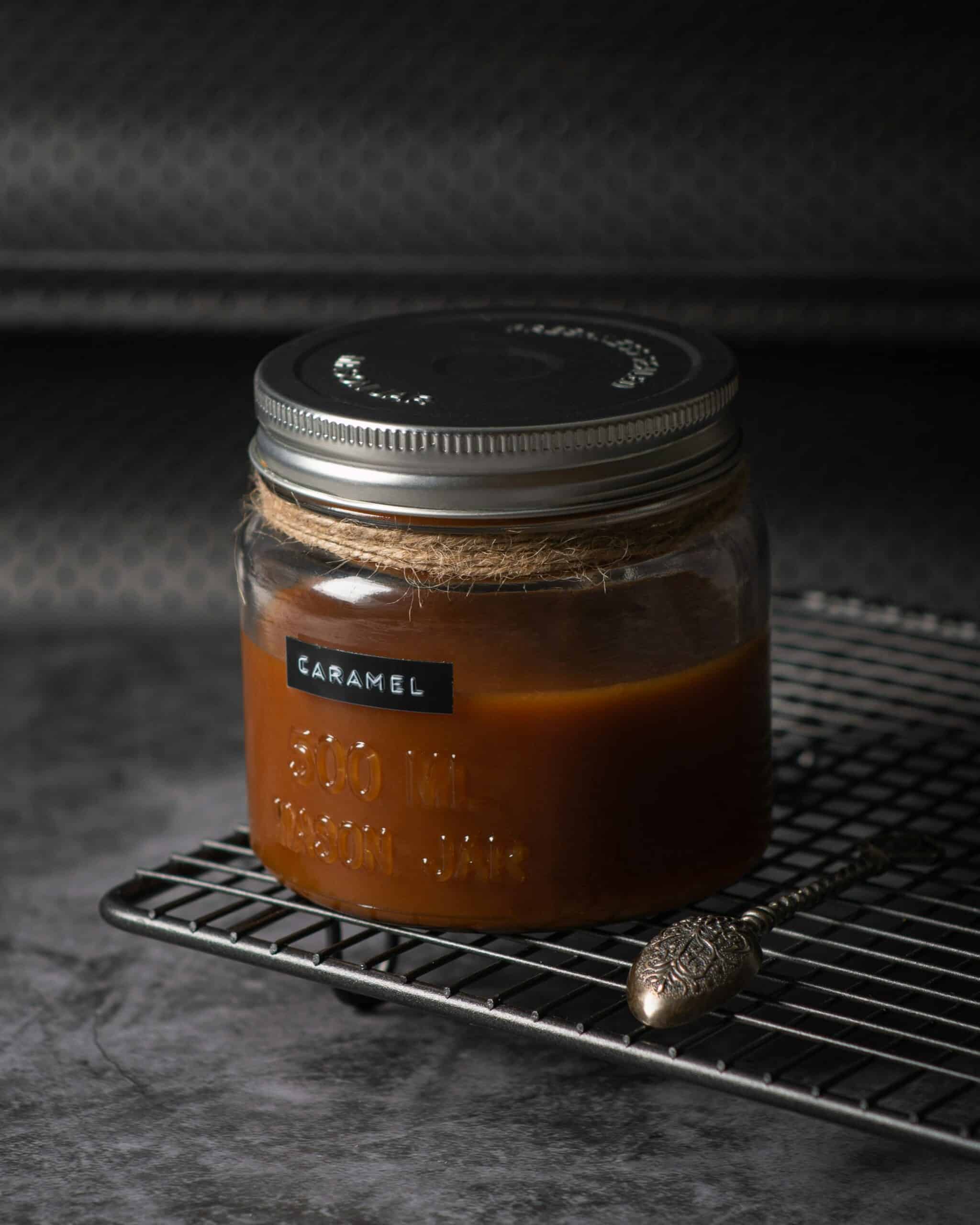
There’s something magical about caramel. That moment when sugar melts into a golden, glossy stream, filling the air with a deep, buttery aroma: it’s pure bliss. Whether drizzled over ice cream, swirled into lattes, or tucked inside chocolates, caramel is one of the world’s most beloved sweets. But where did caramel originate? Who first discovered that heating sugar could create such an irresistible flavor? Who invented caramel? And how did we get from those early experiments to today’s obsession with salted caramel? Grab a spoon because the history of caramel is as rich and layered as caramel itself.
Sweet Beginnings in the Arab World (700–1000 CE)
The earliest known origin of caramel can be traced not to Europe, but to the Middle East, where sugar first became a culinary art. By around 1000 CE, Arab confectioners were boiling sugar and water into a hard, crunchy candy called fanidh. This sweet, taffy-like treat is considered by many food historians to be one of the earliest ancestors in the long caramel history.
Some early records describe similar confections called kurat al milh (“sweet balls of salt”), showing how sugar syrup was already being experimented with in complex ways long before caramel became a European favorite.
At the time, sugar wasn’t just for desserts; it was used in medicines, cosmetics, and even perfumes. But as Arab traders carried sugarcane westward, they also shared the know-how of caramelization, the process of heating sugar until it browns and transforms into a sweet, nutty, slightly bitter flavor we recognize today.
Through trade and conquest, sugar-making spread across the Mediterranean to North Africa, Sicily, and Spain, setting the stage for Europe’s eventual sugar (and caramel) obsession.
From Caramelo to Caramel: Europe’s Sweet Tooth Grows (17th–18th Century)
Fast forward a few centuries, and sugar had made its way deep into European kitchens. By the 1600s and 1700s, French and Spanish confectioners were refining techniques for sugar boiling and candy making.
It was around this time that the word “caramel” entered the culinary lexicon, derived from the Spanish caramelo, which itself came from Medieval Latin cannamellis, meaning “cane honey.” In other words, sweet syrup made from sugar cane.
Caramel at this stage was still mostly hard candy, sometimes used for decorative work or medicinal syrups. But Europe’s growing sweet tooth was about to cross the Atlantic and take a turn.
America’s Soft Caramel Revolution (19th Century)
The soft, chewy caramel we love today? That’s an American invention.
By the mid-1800s, early American candy makers had started adding milk, cream, and butter to the classic sugar-and-water formula. The result was smooth, rich, and melt-in-your-mouth, an entirely new kind of confection that would reshape the history of caramel.
As the U.S. industrialized, caramel quickly became big business. By the 1880s, there were hundreds of candy manufacturers producing both hard and soft varieties. One name in particular stands out: Milton S. Hershey. Before he became synonymous with chocolate, Hershey ran the Lancaster Caramel Company, founded in 1886. His creamy, mass-produced caramels were a sensation, and the profits from them eventually financed his now-famous chocolate empire.
Who Invented Caramel?
So, while no single person invented caramel, it was American candy makers who turned it into the smooth, chewy treat we recognize today.
A Modern Twist: Who Invented Salted Caramel? (1977)
Sweet met salty in a match made in dessert heaven in 1977, when French pastry chef Henri Le Roux created caramel au beurre salé, salted butter caramel, in Brittany, a region known for its rich, salted butter.
Le Roux’s version wasn’t just a happy accident; it was a technical triumph. He perfected a stable caramel using salted butter, creating a luxurious blend of sweet and savory that quickly captured France’s attention. His creation even won the title of “Best Confectionery in France” in 1980.
By the 1990s and 2000s, salted caramel had gone global. Today, you’ll find it in everything from macarons to milkshakes, proving that even a 1,000-year-old candy can still evolve.
The Science of Sweetness: How Caramel Is Made
At its core, caramel is a beautiful example of chemistry in the kitchen. The process of caramelization happens when sugar is heated slowly to around 170°C (340°F). As it melts, the sugar molecules break down and re-form, creating hundreds of new compounds that give caramel its signature golden color and complex flavor.
Add milk, cream, or butter, and you get soft caramel, rich and chewy. Leave it simple, and you have hard caramel, perfect for brittles or coatings. Add salt, and… well, you know the rest.
Caramel may seem simple, but it’s notoriously tricky to make. Too hot and it burns; too cool and it stays grainy. No wonder chefs call it both a science and an art.
Click here to learn how Chef Rick handcrafts Santa Ana Sweet’s signature chocolate-covered salted caramels.
From Ancient Pots to Modern Palates
From medieval Arab kitchens to European confectioners, American factories, and French pâtisseries, the history of caramel spans continents and centuries. Its transformation mirrors the story of sugar itself, once a rare luxury, now an everyday delight.
Today, caramel flavors can be found everywhere. Whether you love your caramel plain, creamy, or salted, you’re enjoying a piece of history that’s over a thousand years in the making.
A Sweet Story Still Unfolding
Caramel didn’t just appear out of thin air; it evolved over a thousand years of experimentation, trade, and creativity. From ancient sugar syrups to salted caramel lattes, it’s a treat that reflects our shared human love of sweetness, innovation, and delight.
Craving Caramel? Try Santa Ana Sweets
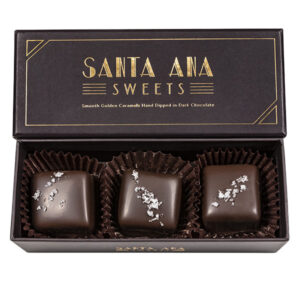
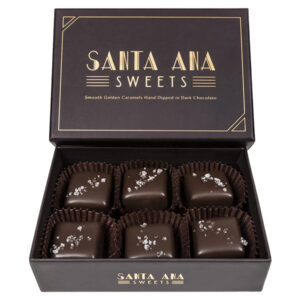
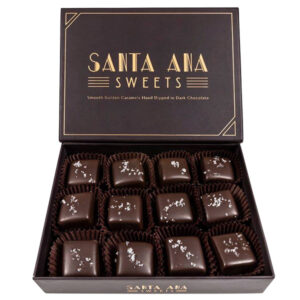
If reading about the history of caramel has your sweet tooth calling to you, there’s no better way to experience its rich legacy than with handcrafted treats. Santa Ana Sweets specializes in artisan caramels made with time-honored techniques, premium ingredients, and flavors inspired by caramel’s global journey, including deliciously irresistible salted caramel.
Treat yourself to the next chapter in caramel history: order from Santa Ana Sweets today.